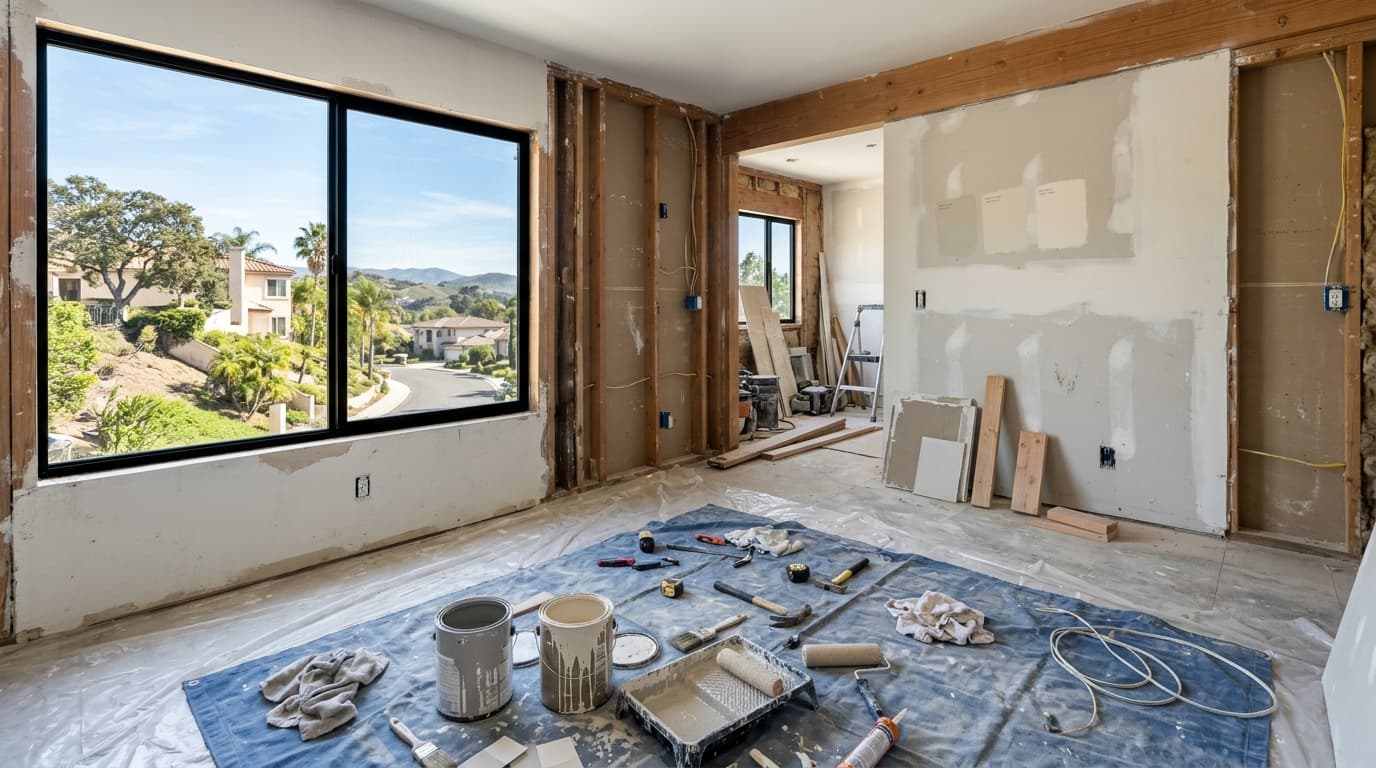
Renovation Projects to Avoid Before Selling Your Home
Some upgrades drain equity without raising your sale price. Learn which over-customized projects to skip and where to spend smarter before you list.
When it is time to sell, many homeowners feel pressure to renovate. It seems logical: a nicer home should sell for more. But some projects cost far more than they add, and some can even make a home harder to sell. Knowing what to skip can protect your equity and your timeline.
The Basic Principle: Sell to the Broadest Audience
Buyers tend to pay for homes that feel move-in ready and broadly appealing. Highly personal or luxurious upgrades may delight you but may not be valued by the next owner. Your goal before listing is to remove objections, not to create a showpiece.
Projects That Rarely Pay Off
Full Kitchen or Bath Gut Remodels
Total renovations are expensive and seldom return their full cost at resale. They also take months, add stress, and may produce a result that does not match the buyer's taste. A targeted refresh nearly always makes more sense before a sale.
Swimming Pools and Major Outdoor Structures
A pool can be a selling point in a warm climate, but it is not for everyone. Some buyers see maintenance, safety concerns, and insurance costs. Building a pool just before selling usually does not recoup its cost.
Highly Personalized Design Choices
Bold wallpaper, dramatic paint colors, themed rooms, unusual tile, and custom built-ins reflect your taste, not necessarily your buyer's. If you have already installed them, consider neutralizing them before listing.
High-End Luxury Features in a Mid-Range Home
Over-improving relative to your neighborhood is one of the most common mistakes. A top-of-the-line appliance package or imported stone in a modest home may not increase the price beyond what neighborhood comparables support. Buyers evaluate your home against the surrounding sales.
Major Additions
Adding square footage is costly and complex. It involves design, permits, construction, and often months of disruption. Unless the layout is seriously functionally deficient, returns on additions are often lower than the cost.
Converting Rooms Into Unusual Spaces
Turning a bedroom into a walk-in closet or a home gym can reduce the bedroom count, which may matter to buyers and appraisers. Restore bedrooms to their original function before selling if possible.
Unpermitted Work
Do-it-yourself projects done without permits can cause problems during inspection or appraisal. They may require costly corrective work or lead buyers to renegotiate. If you are planning improvements, pull the appropriate permits and use licensed contractors.
Better Places to Spend Before You List
- Deep cleaning and decluttering
- Fresh neutral paint
- Minor repairs, such as leaks, cracked tiles, and broken fixtures
- Landscaping and curb appeal
- Professional photography and staging
- A pre-listing inspection to identify and address major concerns
These typically cost much less than a major renovation and have a more direct effect on buyer impressions.
Consider Offering Credits Instead
Sometimes it makes more sense to leave an outdated feature in place and offer a credit or price adjustment. Buyers may prefer to renovate to their own taste. Your advisor can help you determine whether a project is worth completing or whether the better move is to price accordingly.
Timing and Disruption Matter
Renovations delay your listing, increase carrying costs, and introduce risk. A project that goes over budget or over schedule can cost you a favorable market window. Weigh the time value of money alongside the cost of materials and labor.
Ask These Questions Before Starting
- Do comparable homes in my area have this feature?
- Will the average buyer in my price range expect or value it?
- How much will it cost, and how long will it take?
- What is the likely return compared with alternatives?
- Would a credit or a lower price accomplish the same goal?
Protect Your Equity
Your home is likely your largest asset, and every dollar spent should have a purpose. A pre-sale improvement assessment gives you an objective view of what to do, what to skip, and in what order.
Schedule a pre-sale improvement assessment with Global Estate Hub LLC, and make sure your preparations protect your net proceeds.
This article is informational and does not guarantee any specific sale outcome. Consult qualified professionals before beginning any renovation.
Educational content only. Discuss property-specific guidance with a licensed professional.
Schedule a Pre-Sale Improvement Assessment