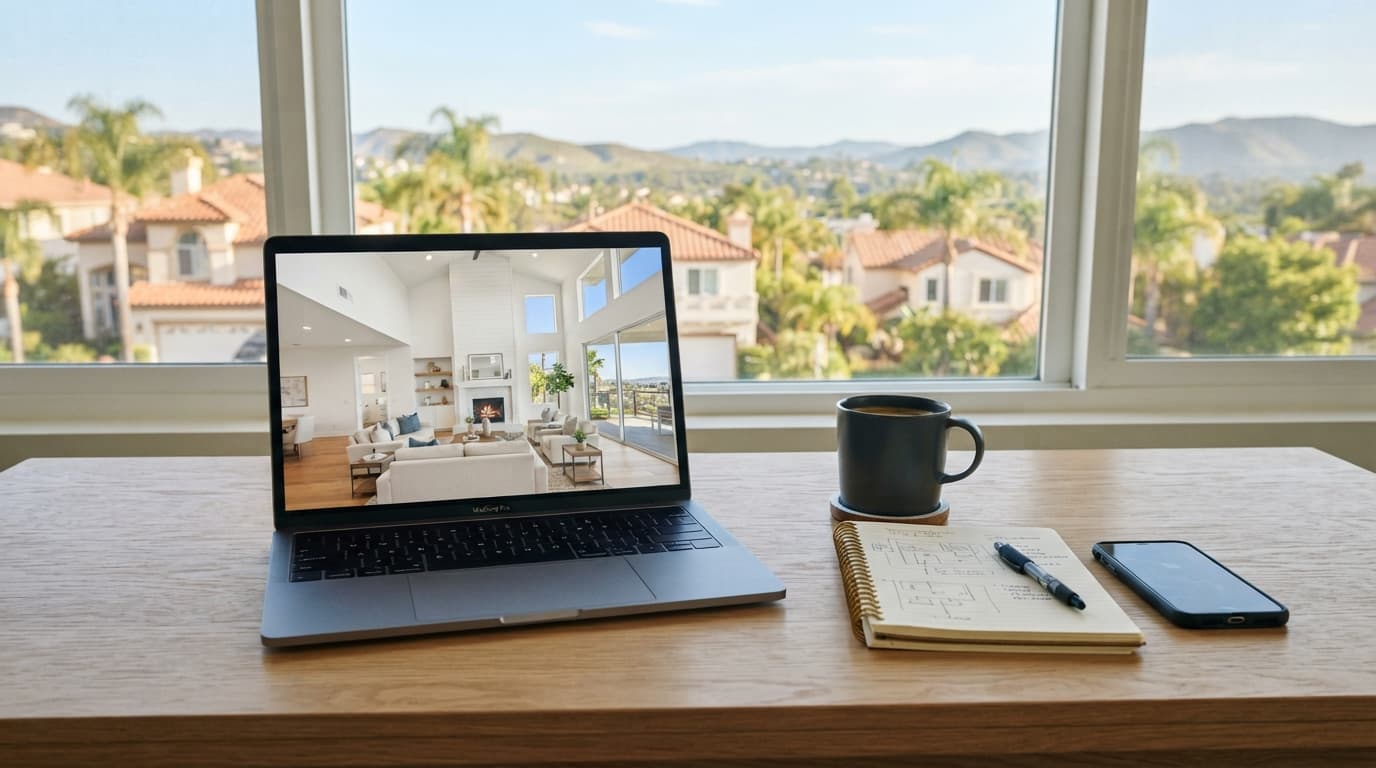
Essential Checklist for Out-of-Area Homebuyers
Buying a home you cannot visit in person is possible with the right process. Use this checklist for virtual tours, remote escrow, inspections, and neighborhood research.
More buyers than ever are purchasing homes in places they have not yet lived. Whether you are relocating for work, buying a second home, or investing from afar, you can do it successfully with preparation and the right team. This checklist covers the critical steps.
1. Assemble Your Local Team Early
When you cannot be there in person, the people on the ground become your eyes and ears. Build a team that includes:
- A knowledgeable real estate advisor with a fiduciary duty to you
- A lender experienced with out-of-area buyers
- A licensed home inspector
- An escrow and title officer
- An insurance agent
- A trusted contractor for estimates, if needed
Ask for references, and confirm that all professionals are properly licensed.
2. Get Your Financing in Order
Before you start touring, get pre-approved. Remote buyers should gather documents electronically and confirm that the lender can handle e-signatures and remote closings. Ask about the timeline for the appraisal, the rate lock, and funding, since distance can add delays.
3. Research the Market Thoroughly
Study recent sales, current inventory, and pricing trends in your target areas. Because you may not be able to see competing homes in person, request detailed comparable sales and a candid assessment of how the property stacks up. Look at multiple neighborhoods before narrowing your choices.
4. Use Virtual Tours Wisely
Live video tours, recorded walkthroughs, and 3D tours are excellent tools, but know how to use them.
- Ask your advisor to do a live, unedited video walkthrough rather than relying only on listing photos.
- Request views of the surroundings, including the street, neighbors, noise sources, and traffic.
- Look closely at areas that photos often skip, such as closets, garage, attic access, and the yard.
- Ask about smells, sounds, and light at different times of day, since a screen cannot show those.
- If possible, schedule a visit before you waive any contingencies on a major purchase.
5. Investigate the Neighborhood Remotely
Use maps and street-level imagery to explore the area, and then ask your advisor to verify what you see. Check commute times, nearby amenities, and any planned construction or development. Review hazard information such as wildfire and flood zones through official sources, and obtain insurance quotes before you commit.
6. Make a Careful Offer
Remote buyers should be especially cautious about waiving protections. Keep the inspection, appraisal, and loan contingencies if at all possible, because you cannot easily inspect the property yourself. Consider the timing of your offer so that you can review all disclosures thoroughly.
7. Schedule Comprehensive Inspections
Your inspector becomes your primary source of information. Request a detailed written report with photos, and ask for a live video call to review concerns. Depending on the property, consider additional inspections:
- Sewer line camera inspection
- Roof inspection
- Termite and pest inspection
- Foundation and structural evaluation
- Mold, radon, or environmental testing where appropriate
8. Review All Disclosures
California sellers provide extensive disclosures, including a Transfer Disclosure Statement and natural hazard information. Read them carefully, ask questions, and have your advisor explain anything unclear. For condos and HOA properties, review the governing documents and financials.
9. Manage Escrow Remotely
Modern escrow can be handled electronically, with e-signatures and remote notary options. Pay close attention to wire instructions, since wire fraud is a real risk. Always verify wiring details by calling the escrow officer at a known phone number before sending money, and never act on emailed changes to the instructions without confirming.
10. Plan the Final Walk-Through
Arrange a live video walk-through, or have your advisor do one on your behalf, to confirm that the property is in the agreed condition and that any negotiated repairs are complete.
11. Prepare for Closing and Possession
Confirm the closing and recording dates, utility transfers, keys, garage openers, and any HOA access items. Line up your move or property management, and arrange for homeowners insurance to be in effect at closing.
12. Plan Your First Visit
If you have not seen the property in person, schedule a visit soon after closing. Take notes, test every system, and meet your neighbors.
Let's Tour Together
At Global Estate Hub LLC, we guide remote buyers through every step with transparency and care. Schedule a virtual property tour and relocation session to start your search, and let us be your trusted local partner.
This article provides general guidance and is not legal or financial advice. Verify all details with licensed professionals.
Educational content only. Discuss property-specific guidance with a licensed professional.
Schedule a Virtual Property Tour & Relocation Session